How to Choose the Right Commercial Gym Equipment for Your Fitness Facility
Learn how to choose the right commercial gym equipment based on facility size, target users, budget, durability, equipment categories and project requirements.
How to Choose the Right Commercial Gym Equipment for Your Fitness Facility
Choosing the right commercial gym equipment is one of the most important decisions when opening or upgrading a fitness facility. The right equipment can improve member satisfaction, support efficient space planning and create long-term value for gym owners.
However, every fitness facility has different requirements. A hotel gym, a professional fitness club, an apartment gym and a personal training studio may need completely different equipment configurations. This guide explains the key factors to consider before purchasing commercial gym equipment.
1. Understand Your Fitness Facility and Target Users
Before selecting equipment, define the type of fitness facility you are planning to build. The equipment should match the users, training habits and business positioning of the gym.
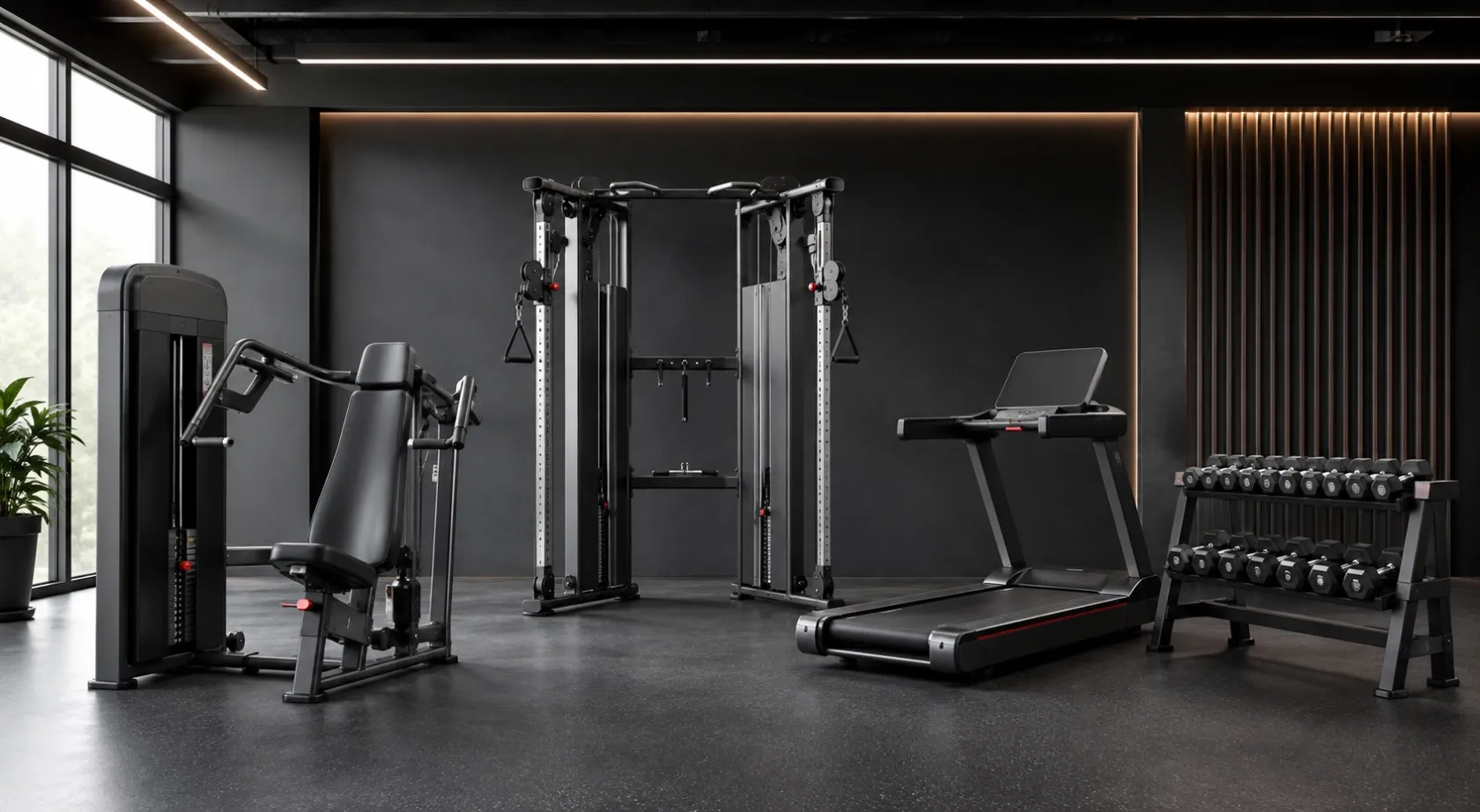
For example, a professional fitness club may require a complete range of selectorized machines, plate-loaded machines, functional trainers, free weights and cardio equipment. A hotel fitness center may need a smaller selection of easy-to-use treadmills, ellipticals, exercise bikes and strength machines.
- Commercial fitness clubs need a balanced equipment configuration.
- Hotel gyms usually require compact and easy-to-use machines.
- Apartment gyms need space-efficient and low-maintenance equipment.
- Personal training studios often benefit from functional trainers and free weights.
- Franchise gyms may require standardized equipment and consistent design.
Actionable advice: Create a profile of your target users before making a purchase. Consider their age, fitness level, training goals and expected daily usage.
2. Measure the Available Space
Space planning is essential for any commercial gym project. A machine may fit in an empty room, but the facility still needs enough space for member movement, equipment operation, cleaning and safety.
When measuring the facility, record the total floor area, ceiling height, entrance width, columns, windows, emergency exits and locations of power outlets. These details can affect equipment selection and delivery.
You should also leave sufficient clearance around each machine. Treadmills, cable machines and strength equipment require additional operating space so users can exercise safely and comfortably.
Actionable advice: Prepare a floor plan before ordering equipment. A professional supplier can help you create an equipment layout based on the available space.
3. Build a Balanced Equipment Mix
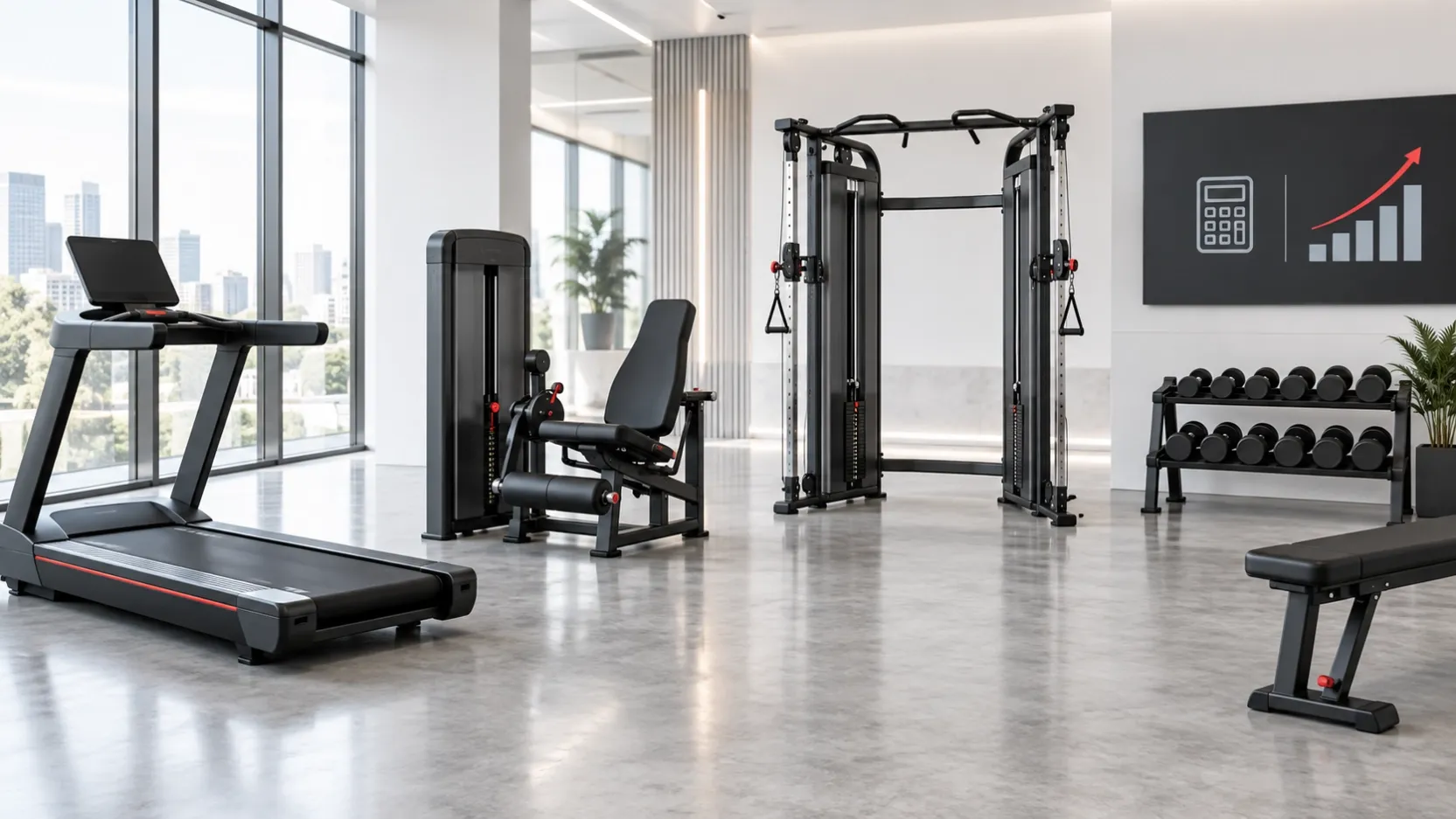
A successful commercial gym should offer different types of training rather than focusing on only one equipment category. A balanced equipment mix can serve more users and improve the overall member experience.
Strength Equipment
Strength equipment may include selectorized machines, plate-loaded machines, benches, racks, Smith machines and functional trainers. Selectorized machines are easy to use and suitable for controlled resistance training. Plate-loaded machines are popular with experienced users who prefer heavier training.
You can view our commercial selectorized machines and plate-loaded gym equipment to compare different strength training solutions.
Functional Training Equipment
Functional trainers, dual adjustable pulleys, cable crossovers and multifunctional training stations support a wide range of exercises. They are suitable for personal training, small group training and full-body workouts.
Explore our commercial functional trainers for flexible training applications.
Cardio Equipment
Cardio equipment commonly includes commercial treadmills, ellipticals, exercise bikes, rowing machines and stair climbers. The right combination depends on the facility size, target users and expected daily traffic.
Visit our commercial cardio equipment category for more information.
Free Weights
A complete free weight area may include dumbbells, barbells, weight plates, kettlebells, benches and storage racks. Free weights are suitable for beginners, strength athletes and personal training sessions.
You can learn more about our commercial free weights and dumbbells.
4. Consider Equipment Durability
Commercial gym equipment is used more frequently than home fitness equipment. It must withstand repeated use by different users throughout the day.
Important durability factors include the steel frame, welding quality, powder coating, upholstery, bearings, cables, pulleys, adjustment systems and resistance components. Cardio equipment should also have a stable motor system, durable running belt and reliable control panel.
Equipment durability can directly affect maintenance costs and the long-term operating efficiency of a fitness facility.
Actionable advice: Ask the supplier for product specifications, load capacity, material information, inspection procedures and warranty terms before placing an order.
5. Compare Commercial Features and User Experience
Commercial equipment should be easy to understand, comfortable to use and suitable for different body types. Good user experience can encourage members to use the equipment more frequently.
When comparing products, review the following features:
- Adjustment range and ease of adjustment
- Seat and backrest comfort
- Handle position and grip design
- Weight stack or resistance adjustment
- Movement range and training stability
- Display functions for cardio equipment
- Cleaning and maintenance accessibility
Actionable advice: If possible, test representative products before ordering a complete equipment package.
6. Check Customization and Branding Options
Many commercial gym projects require equipment that matches the brand identity and interior design of the facility. Depending on the supplier, customization may include frame color, upholstery color, logo placement, product configuration and packaging.
OEM and project-based customization can be useful for gym chains, distributors, hotels and fitness brands that need consistent product appearance across multiple locations.
At ZOYI FITNESS, buyers can discuss product selection, color options, logo requirements and equipment configuration according to their project needs.
7. Evaluate the Supplier's Project Support
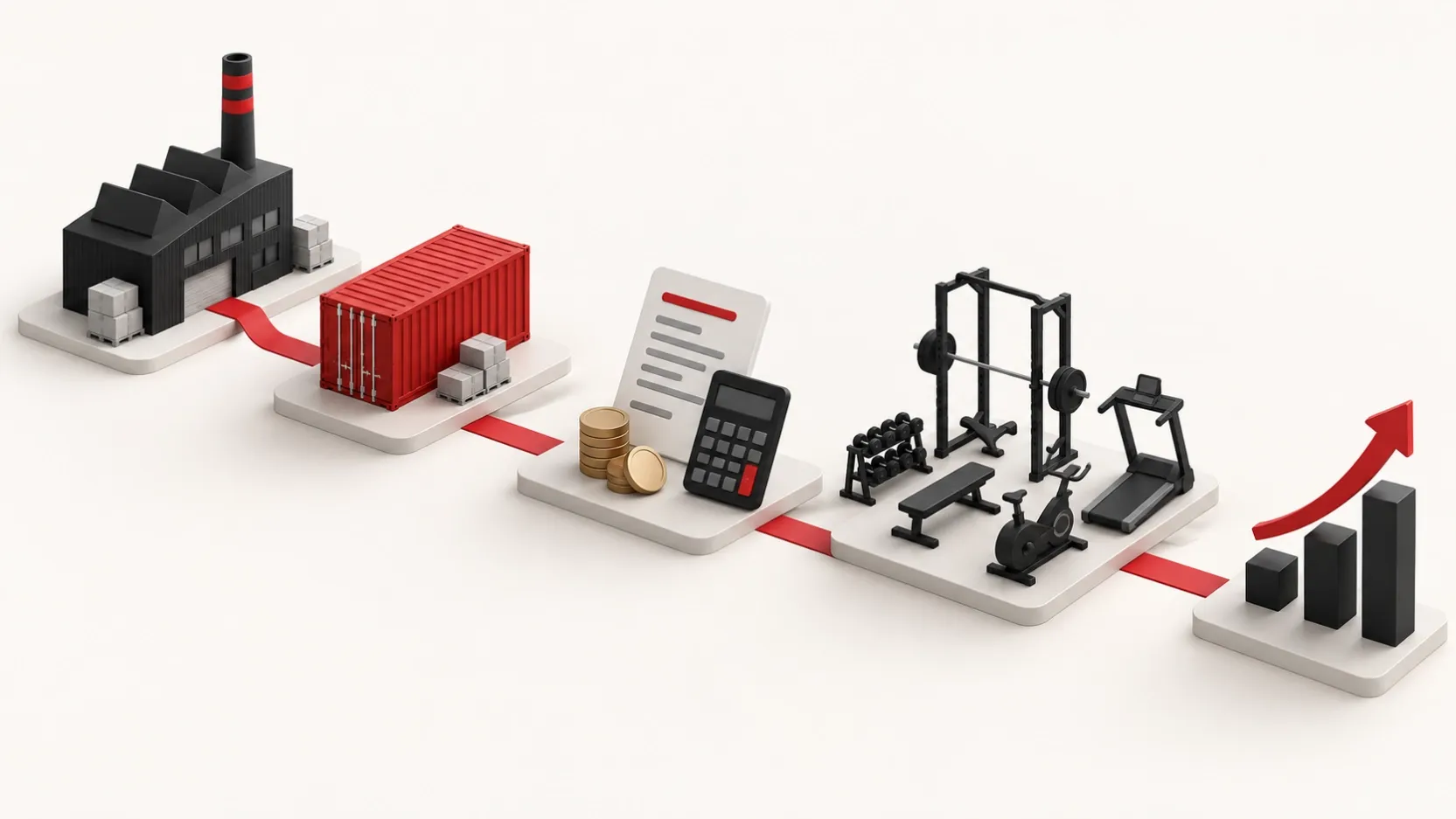
Purchasing commercial gym equipment involves more than selecting individual machines. A reliable supplier should be able to support product recommendations, space planning, quotation preparation, production communication, packaging and shipping coordination.
For larger projects, the supplier should also help confirm the equipment list, quantities, product specifications and container loading plan.
You can learn more about our commercial gym equipment solutions and project support services.
8. Review MOQ, Lead Time and Warranty
Before confirming an order, ask for clear information about the minimum order quantity, production lead time, shipping terms, spare parts and warranty coverage.
Lead time may vary depending on product type, order quantity, customization requirements and seasonal production schedules. Buyers should also confirm whether mixed models can be loaded in one shipment.
Warranty terms should clearly explain which components are covered and how replacement parts or technical support are handled.
Actionable advice: Request a complete quotation that includes product specifications, quantities, packaging details, delivery terms and after-sales service.
9. Request a Complete Commercial Gym Equipment Proposal
The best equipment configuration depends on your facility size, budget, target users and business model. Instead of choosing products separately, it is usually more efficient to request a complete proposal from a commercial gym equipment supplier.
A complete proposal may include:
- Recommended equipment categories
- Product models and quantities
- Gym layout suggestions
- Product specifications
- Customization options
- Packaging and shipping information
- Estimated lead time
- Warranty and spare parts information
Need Help Choosing Commercial Gym Equipment?
ZOYI FITNESS provides commercial strength equipment, functional trainers, cardio equipment, free weights and complete gym equipment solutions for fitness clubs, hotels, apartments, studios and distributors.
Frequently Asked Questions
What equipment should a new commercial gym buy first?
A new commercial gym usually needs a balanced combination of strength equipment, cardio machines, functional trainers, benches, racks and free weights. The exact configuration depends on the facility size and target users.
Are selectorized machines suitable for commercial gyms?
Yes. Selectorized machines are easy to use and suitable for controlled strength training. They are commonly used in commercial gyms, hotels, rehabilitation facilities and apartment fitness centers.
How many cardio machines does a gym need?
The required number depends on the facility size, expected membership and peak-hour traffic. A supplier can recommend quantities based on your floor plan and business model.
Can commercial gym equipment be customized?
Many commercial gym equipment products can be customized with different frame colors, upholstery colors, logos and configurations. Customization should be confirmed with the supplier before production.
How long does it take to produce commercial gym equipment?
Production time depends on the product models, order quantity, customization requirements and current production schedule. Buyers should request a confirmed lead time before placing an order.
How can I get a commercial gym equipment quotation?
Send your facility size, location, equipment requirements, preferred product categories and target budget through the ZOYI FITNESS contact page. Our team can help prepare a suitable equipment proposal.